Esteghlal FC advanced to the semi-finals of the Hazfi Cup with a narrow 1-0 victory over Paykan at the Azadi Stadium in Tehran. The data shows a contest that was always expected to be tight, with the Lemeister model having installed a draw as the most likely outcome at 38 per cent, ahead of a home win at 36 per cent. The single goal, a second-half penalty converted by R. Rezaeian, ultimately decided the tie, but the underlying numbers indicate a match defined by fine margins rather than dominance. The model's pre-match projection of a projected home score of zero and a projected away score of zero underscored the expectation of a low-scoring affair, a forecast that proved prescient.
The game remained goalless for 75 minutes, with neither side able to find a breakthrough from open play. The decisive moment arrived in the 76th minute when Esteghlal were awarded a penalty, a type of goal that typically carries a high conversion rate in knockout football. R. Rezaeian stepped up and converted confidently, providing the only score of the evening. With no assists recorded for the goal and no further goals in the match, the attacking contributions were concentrated on that single, crucial sequence from the spot. The absence of any other goals or shots on target data suggests both defences were largely successful in limiting clear-cut chances, though the lack of detailed statistics makes it difficult to assess the balance of play more comprehensively.
The disciplinary record was immaculate, with no cards issued throughout the 90 minutes, indicating a competitive but not ill-tempered encounter. Neither side made any substitutions, which may reflect a lack of depth, a tactical decision to stick with the starting XI, or simply that coaches were satisfied with the performance levels. Paykan's ability to hold Esteghlal goalless from open play for over an hour points to a disciplined defensive display, but the penalty concession ultimately proved costly. For Esteghlal, the clean sheet will be a source of satisfaction for the defensive unit, who ensured that a single goal was enough to progress.
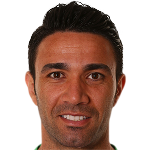
In terms of individual contributions, R. Rezaeian is the only nameable performer from the data, and his role as the match-winner from the penalty spot stands as the standout individual moment. His composure under pressure in a knockout fixture at a major venue was decisive, converting what was likely a high-pressure spot kick to separate the sides. Without match ratings or detailed statistical breakdowns available, it is impossible to evaluate other individual performances, but the collective effort from Esteghlal's defence and midfield in preserving the clean sheet was evidently sufficient. The absence of named players beyond Rezaeian limits the depth of individual analysis.
The result sends Esteghlal into the semi-finals of the Hazfi Cup, keeping their hopes of silverware alive in a competition that offers a direct route to continental qualification. For Paykan, the defeat ends their cup journey at the quarter-final stage, a respectable run but one that will leave them frustrated by the narrow margin of elimination. The Lemeister model's pre-match assessment correctly identified the contest as a finely balanced affair, and a single penalty was all that separated the sides on the night. The victory aligns with the model's projection of a low-scoring outcome, though it favoured the home side slightly more than the draw-weighted forecast suggested. Esteghlal will now prepare for the semi-finals knowing that improvements in open-play creativity may be required against stronger opposition.